Skip to content
The Role of Windows and Doors in Natural Lighting
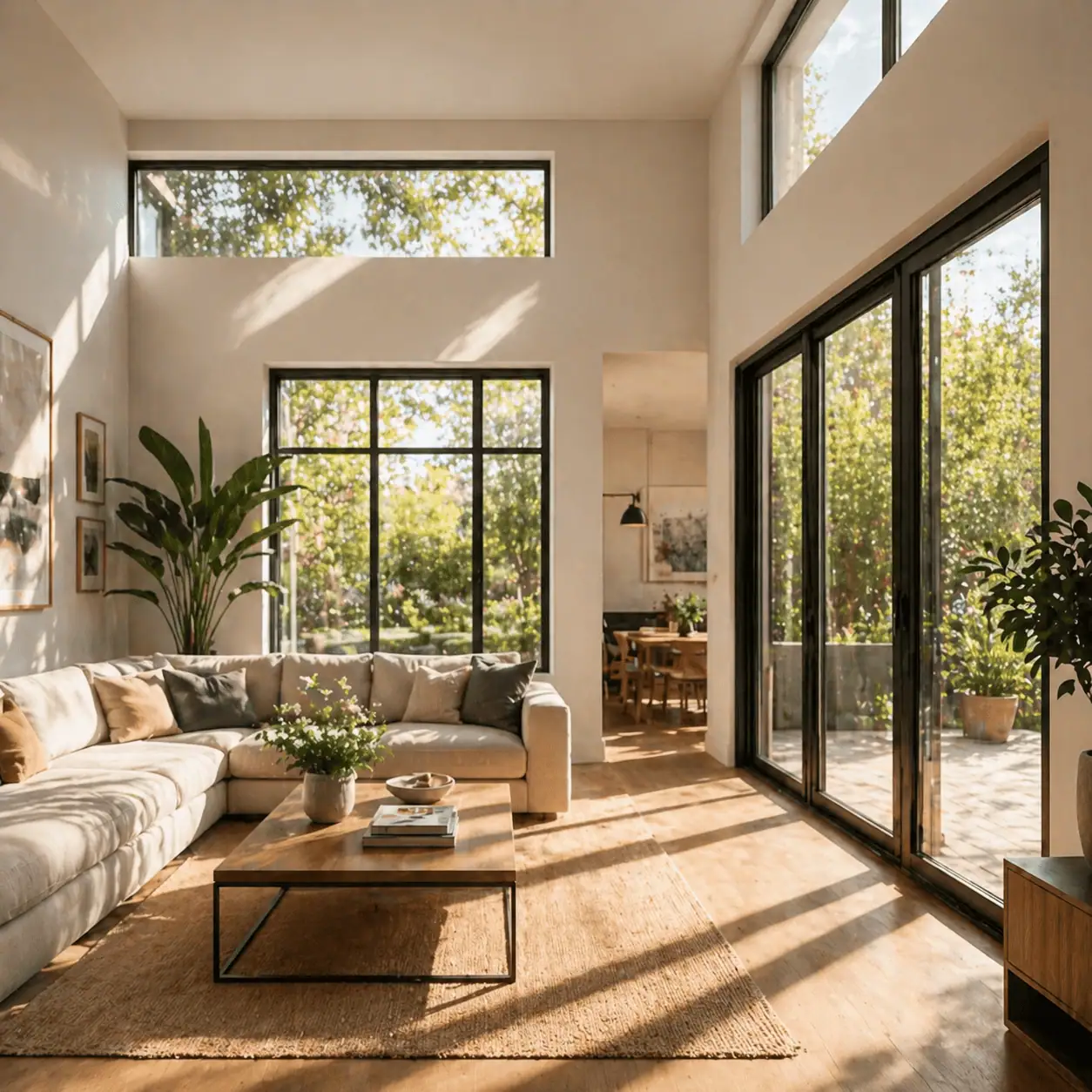
Natural light plays a crucial role in how a home feels and functions. A well-lit space not only looks more inviting but also improves mood, reduces energy usage, and enhances overall comfort.
Windows and doors are the primary sources of natural light in any home. Their size, placement, and design directly influence how light enters and spreads across your space.
Understanding their role can help you create brighter, more efficient, and aesthetically pleasing interiors.
Why Natural Lighting Matters
Natural light is more than just brightness. It impacts both physical and emotional well-being.
Benefits include:
- Reduces dependence on artificial lighting
- Improves mood and productivity
- Enhances interior appearance
- Helps maintain a healthier indoor environment
Homes with good natural lighting feel more open, spacious, and comfortable.
How Windows Influence Natural Lighting
1. Size of Windows
Kitchens benefit greatly from natural light.
Benefits:
- Improves visibility while cooking
- Reduces dependence on artificial lighting
- Keeps the space fresh and airy
Skylights placed above cooking or prep areas can make daily activities more comfortable and efficient.
2. Placement of Windows
Where you place windows matters just as much as their size.
- East-facing windows bring soft morning light
- West-facing windows bring stronger afternoon light
- South-facing windows offer consistent daylight
Strategic placement ensures balanced lighting throughout the day.
3. Type of Window Design
Different window styles affect how light spreads.
- Sliding windows provide wide openings
- Casement windows allow better airflow and light direction
- Fixed windows maximize uninterrupted light
Choosing the right type improves both functionality and brightness.
How Doors Contribute to Natural Light
Glass Doors
- Allow light to pass between rooms
- Connect indoor and outdoor spaces visually
- Brighten darker interiors
Sliding Doors
- Provide large glass surfaces
- Let in abundant daylight
- Improve openness of space
Light Distribution Inside the Home
Getting light inside is only part of the job. How it spreads matters too.
Tips to improve light distribution:
- Use light-colored walls
- Avoid heavy curtains
- Keep interiors uncluttered
- Use reflective surfaces like mirrors
These help sunlight travel deeper into the space.
Balancing Light and Heat
While natural light is beneficial, too much direct sunlight can cause:
- Heat buildup
- Glare
- Discomfort
Solutions include:
- Proper glass selection
- Use of blinds or curtains
- Strategic placement
A balanced approach ensures comfort along with brightness.
Common Mistakes to Avoid
- Installing small windows in large rooms
- Poor placement leading to uneven lighting
- Blocking light with heavy furniture or curtains
- Ignoring door design for light flow
Avoiding these mistakes can significantly improve your home’s lighting.
Upgrade Your Space with Better Light
If your home feels dark or closed, improving your windows and doors can make a big difference.
Explore modern solutions designed to enhance natural lighting, comfort, and overall living experience.
Final Thoughts
Windows and doors do more than provide ventilation—they shape how light interacts with your home.
With the right design and placement, they can transform any space into a brighter, more inviting environment.
A well-lit home is not just visually appealing—it’s healthier, more efficient, and more enjoyable to live in.