Skip to content
How Weather Affects Your Windows and Doors Over Time
Windows and doors are constantly exposed to changing weather conditions. From intense heat to heavy rain and humidity, these elements can slowly impact their performance, appearance, and durability.
Many homeowners don’t realize that weather plays a major role in how long windows and doors last.
Understanding these effects can help you make better choices and maintain your home more effectively.
☀️ 1. Heat and Sunlight Exposure
Constant exposure to sunlight and high temperatures can affect window and door materials over time.
Common effects:
- Fading or discoloration
- Expansion of frames
- Weakening of materials
- Warping in certain materials
Extreme heat can also reduce sealing efficiency, allowing air leakage and affecting indoor comfort.
🌧️ 2. Rain and Water Exposure
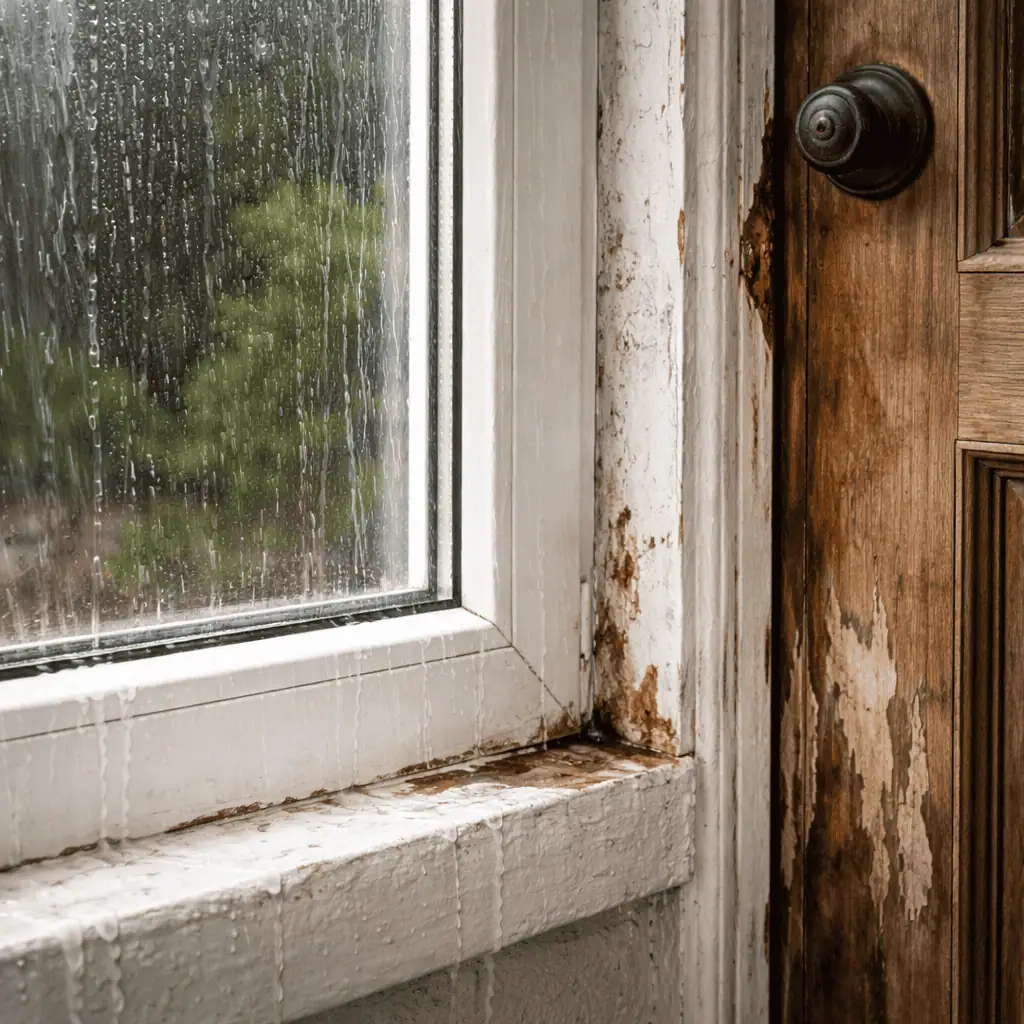
Rainwater can be one of the most damaging elements if windows and doors are not properly sealed.
Issues caused by rain:
- Water seepage
- Swelling of frames (especially wood)
- Mold and mildew formation
- Damage to surrounding walls
Poor drainage or installation can worsen these problems over time.
💧 3. Humidity and Moisture
In humid environments, moisture in the air can slowly impact both frames and hardware.
Effects include:
- Condensation on glass
- Rusting of hinges and locks
- Reduced lifespan of materials
- Sticky or difficult operation
Humidity also affects indoor air quality if not managed properly.
🌬️ 4. Wind and Dust
Strong winds and dust particles can cause gradual wear and tear.
Common problems:
- Dust accumulation in tracks
- Scratches on glass
- Reduced smooth movement
- Gaps forming over time
Dust can also affect sealing, reducing insulation performance.
🌡️ 5. Temperature Changes
Frequent changes between hot and cool temperatures can stress window and door materials.
This can lead to:
- Expansion and contraction
- Loosening of joints
- Cracks in frames
- Reduced structural stability
Over time, this affects both performance and durability.
⚠️ Signs Weather Is Affecting Your Windows and Doors
Watch out for these signs:
- Air leakage or drafts
- Difficulty in opening or closing
- Visible damage or cracks
- Water leakage during rains
- Increased noise from outside
These indicate your windows and doors may need attention or replacement.
🛠️ How to Protect Your Windows and Doors
Simple steps can help extend lifespan:
✔ Regular cleaning and maintenance
✔ Checking seals and gaskets
✔ Lubricating hardware
✔ Ensuring proper drainage
✔ Choosing weather-resistant materials
Prevention is always better than costly repairs later.
Why Choosing the Right Material Matters
Not all window and door materials respond to weather the same way.
Modern solutions are designed to:
- Resist heat and UV exposure
- Prevent water leakage
- Handle humidity better
- Maintain structural strength
Choosing the right system ensures long-term performance and peace of mind.
Upgrade to Weather-Resistant Solutions
If your current windows and doors are showing signs of wear, it may be time to upgrade to better-performing options.
Explore durable, weather-resistant window solutions designed for long-term comfort and performance.
Final Thoughts
Weather conditions are unavoidable—but damage doesn’t have to be.
By understanding how different weather factors affect your windows and doors, you can take proactive steps to maintain or upgrade them.
A small improvement today can prevent bigger issues tomorrow.